
How Do You Address Jokes Being Made About Eating Disorders? Q&A with Paula Quatromoni

In this Q&A series, Dr. Paula Quatromoni (DSc, RD) answers some of the biggest questions coaches and athletic staff have to better prevent eating disorders in athletes and assist athletes who may be struggling. Sign up for our email list to get the next link to the newest Q&As right to your inbox. Q: “How […]
The Professionals to Bring in for Student-Athletes With Eating Disorders (Q&A with Paula Quatromoni)
In this Q&A series, Dr. Paula Quatromoni (DSc, RD) answers some of the biggest questions coaches and athletic staff have to better prevent and assist athletes who may be struggling with eating disorders. Q: Who is Needed on the Athlete Care Team For an Athlete With Disordered Eating? A: Athletics programs at every level need […]
What Can Coaches Do When Athletes Are Not Fueling Properly? (Q&A with Paula Quatromoni)
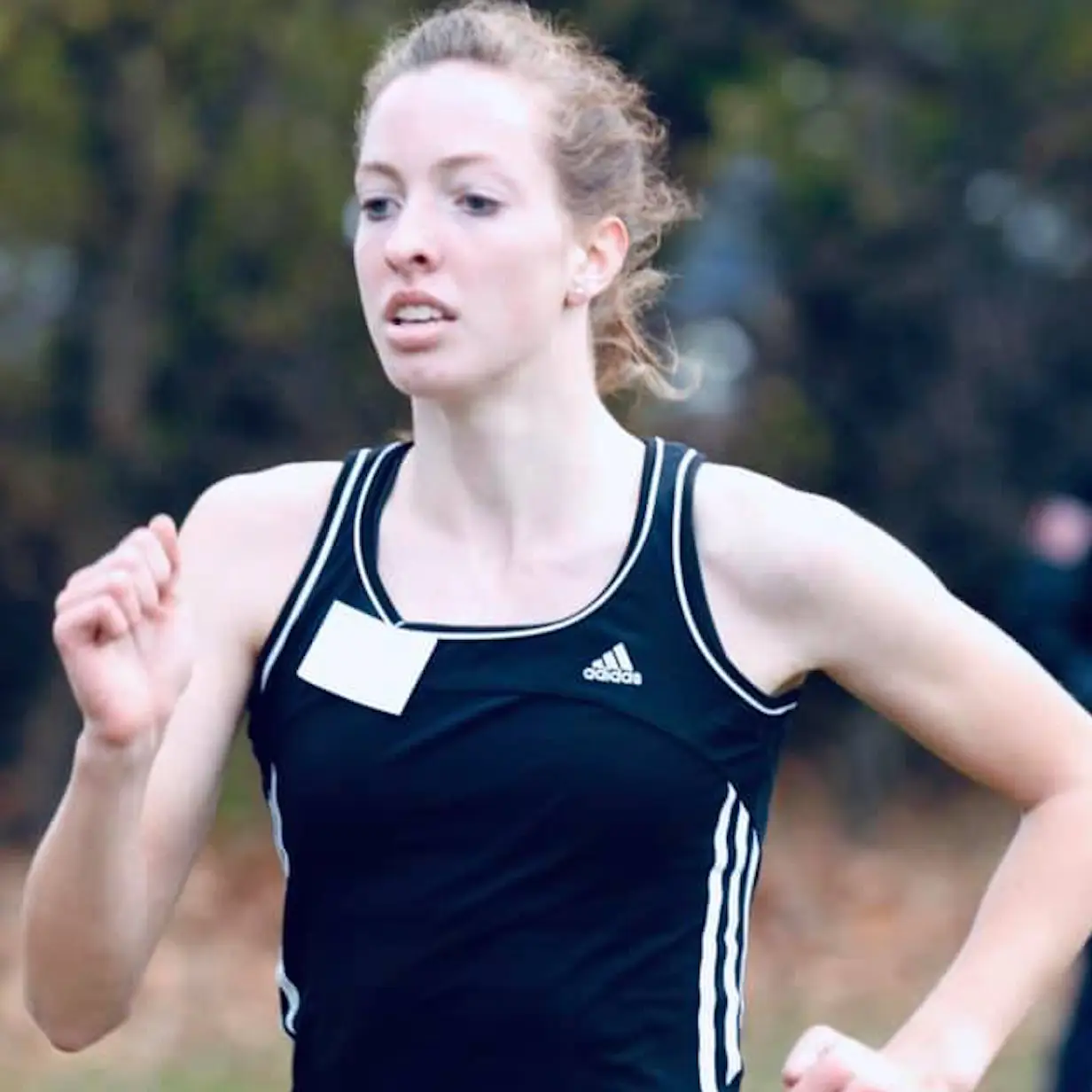
In this Q&A series, Dr. Paula Quatromoni (DSc, RD) answers some of the biggest questions coaches and athletic staff have to better prevent and assist athletes who may be struggling with eating disorders. Q: What should a coach do when they suspect an athlete is not fueling properly and needs assistance with nutrition? A: Best […]
How Can a Coach Support an Athlete With an Eating Disorder? Paula Quatromoni Q&A

This is part of a Q&A series with leading expert in eating disorders and sports, Paula Quatromoni. For more Q&As click here. Q (Anonymous): I’m a coach with an athlete who told me they are struggling with an eating disorder and they are getting treatment. The athlete asked me to keep them accountable. How can […]
How Should Eating Disorder Recovery Stories Be Shared? Q&A with Dr. Quatromoni

If a school or organization is afraid to include the topic of eating disorders on its agenda because they believe it will cause eating disorders, or because they do not have in-house expertise to know how to approach this topic, they would be well-served to connect with an eating disorder professional to better understand how to move forward. By choosing not to address it, they are choosing to perpetuate the silence, keep the topic taboo, and keep the students uninformed. However, students will never be unexposed to eating disorder triggers. And some students are vulnerable and predisposed. A choice not to educate only heightens the risk for eating disorders in an already high-risk population without raising conscious awareness of the risk factors, identifying any solutions, or connecting students to helpers in their community.
Coaches in the Dark: What Can Athletic Staff Do in Eating Disorder Situations?
Having had an eating disorder as an athlete, I’ve been hyper-aware of the signs to look for in the athletes I coach. I knew, from my eating disorder experience, that if I suspected an athlete was struggling, it was my responsibility to refer them to a mental health professional and/or a dietitian for a proper […]