
Conversations with Coach: The Rollercoaster of Running with an Eating Disorder
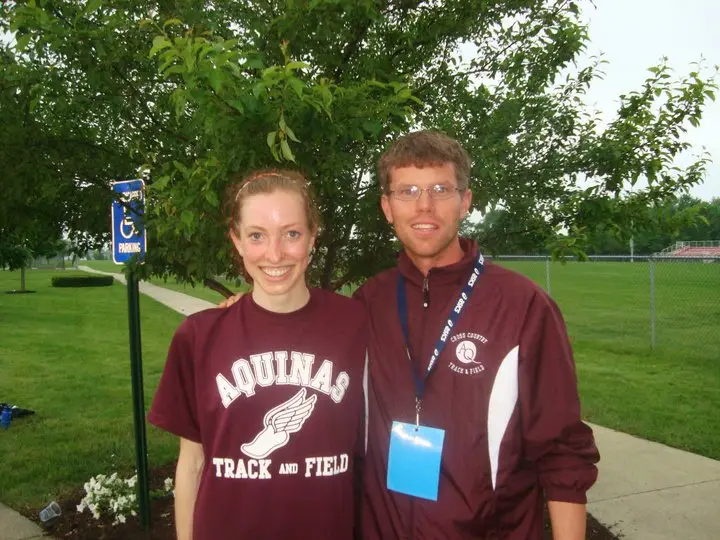
It was fall 2012, and I had bonked at one of the most important races of the cross country season. Days later, Coach Woj asked me to meet him in his office.

“It tore my heart to read your running log,” Woj said. “You’re a smart girl. How can Rachael, who does everything right, not eat breakfast before her race?”

My heart dropped. Yes, in my online running log I had admitted to skipping breakfast. But it wasn’t until this moment that I realized how foolish it had been, how warped my mind had become with food in that past year.

Read more

How Can Coaches Help Underweight Athletes Gain Weight? Q&A with Dr. Quatromoni

This is part of a Q&A series with leading expert in eating disorders and sports, Paula Quatromoni. For more Q&As click here.

Q: I’m a high school coach. I have a runner who needs to gain weight/body fat. This athlete is not intentionally losing weight but is very active with either running or other workouts like core and strength work. The athlete never really slows down and on top of that just doesn’t eat enough to offset their exercise. The athlete has seen a dietitian, but they haven’t really given the athlete a strategy. The athlete knows what needs to happen and the parents are working on it as well. My immediate thoughts are that the athlete needs to record their intake and maybe that shows how much it is and shows ways to increase it. It could also show me how much this athlete can run so as not to create a deficit each day.

A (Paula Quatromoni, DSc, MS, RD, LDN): It sounds to me like maybe the athlete hasn’t seen the right dietitian who truly understands sport and the importance of a fueling strategy for an elite runner, because the athlete reportedly came away from that interaction (was it only one session?) without one. I am betting that the RD (Registered Dietitian) the athlete saw was not credentialed and experienced as a sports dietitian; not all registered dietitians have the additional training or qualifications to work in sports nutrition or eating disorder treatment. The athlete needs an expert capable of designing a fueling strategy for an elite athlete. The athlete should look for someone with the CSSD credential (Certified Specialist in Sports Dietetics) on top of the RD credential; or at least an RD who states on her practice website or is known to the local sports community as experienced working with and customizing nutrition plans for athletes.

Read more

It’s Not Just Overbearing Coaches and Division I Programs

Post updated April 12, 2021, to improve clarity.

When we think of eating disorders in athletics, we often point to overbearing coaches in large, competitive sports programs. We bring up an athlete’s desire to please a demanding coach or mention the comments tossed around about restricting food and losing weight.

This often leaves people to think that eating disorders rarely happen in smaller programs, or amongst gentler coaches. And if a coach is not saying anything that would trigger an eating disorder, would an athlete develop it on their own?

Secrecy and Shame

I went to a smaller college. My level of competition equated to NCAA Division II or III.

I had an eating disorder.

My eating disorder thrived when signs were missed by those around me. It thrived when I harbored misconceptions about eating disorders and had no knowledge of its prevalence in sports. My eating disorder rolled its eyes any time my coach would tell the team, “Make sure to replenish with plenty of calories tonight,” because I was restricting my calories and running the fastest. My eating disorder thrived in a mind that thought what she was dealing with “wasn’t bad enough.”

I convinced myself that it was simply the discipline and willpower of a high-performance runner.

No One Talks About This

Athletic programs did not bring up nutrition or eating disorders. We didn’t have a dietitian come in and talk about these issues.

When a coach approached me about my weight a week before my final high school track meet, it was a comment about how much weight I had lost. Not about how sad, tired, and exhausted I looked and behaved.

When a sports physician said she’d follow up with me about my period loss, she never did.

Photo: Peter Draugalis

When I started a raw food diet, was repeatedly injured, depressed, and had drastic weight fluctuations, I was not approached about my mental health.

During my junior year of college, I took the initiative to open up to my team about my own struggle with an eating disorder. And I suggested that we talk about these issues each year as a team. Because the more I talked about it, it seemed more athletes were willing to speak up as well.

When it was finally out in the open, we were better able to see there was a problem and do something about it.

We were talking.

Shame, Fear, and Denial

I say all of this not to blame coaches, but to point out the missing piece in our system. Athletes everywhere–from every program/division–are struggling silently due to a lack of knowledge and openness, and shame, fear, and denial. Coaches are often left in the dark with how to follow up with someone who has an eating disorder. They have little knowledge of what it entails beyond appearance.

There is currently no training required for coaches to learn how to identify eating disorders and to help athletes get the professional help they need sooner. We do, however, have resources. Part of the Running in Silence mission is to spread awareness so that athletic staff knows how important it is to read these resources.

Whether it’s from the pressure of an intense coach, or the inner voice that tells an athlete they need to achieve more through weight loss, eating disorders affect all athletes, at any level of competition.

Coaches can show athletes that to get help and recover is not to give up their sport or run slower, but to find joy in the sport and in their lives. Because the best (and longest) athletic careers often come from having a voice, the power to change for the better, and the people to support them.

Mistreatment and Body-Shaming in Coaching
I recently returned from the empowering Strong Runner Chicks (SRC) retreat in the wake of an NCAA coach allegedly body-shaming his athletes—something that is not the sole “cause” of eating disorders, but it sure can trigger them.

I went to the SRC retreat knowing that many of us runners had very similar stories with eating disorders, body image, amenorrhea, and injuries. And it broke my heart to hear about the comments made by coaches that triggered the destructive relationships with food in many of these young women.

It breaks my heart, because many of the runners were still dealing with the physical and emotional consequences of under-fueling. Some voiced their struggle with understanding how to eat again as we talked about intuitive eating. Others shared their lost hopes and dreams and asked how to make a comeback in a sport they love.

Read more

When a Coach Suggests Athletes “Drop a Few Pounds”: Q&A with Dr. Quatromoni
This is part of a Q&A series with leading expert in eating disorders and sports, Paula Quatromoni. For more Q&As click here.

A coach of an adult, co-ed sports team sent out a training guide offering athletes advice on “top 5 ways to become a faster cyclist.” One of the “lessons”:

Lesson B: Dropping a few pounds
When it comes to biking, we can all stand to lose a few pounds.

Q: How can athletes advocate for themselves and their teammates to tell a coach they are uncomfortable with recommendations being put forth to the team about weight loss?

A (Paula Quatromoni): For several reasons, this is a dangerous message for coaches to deliver to athletes, and it is a dangerous way in which to deliver it.

First, this advice endorses the “thinner is faster” mentality. Bodyweight is not the best indicator of athletic performance, so this advice overemphasizes dieting and weight loss as solutions and oversimplifies the many factors that influence performance.

Read more

What Coaches Can Do to Prevent Eating Disorders: Q&A with Dr. Quatromoni
This is part of a Q&A series with leading expert in eating disorders and sports, Paula Quatromoni. For more Q&As click here.

Q: What can coaches do to build a healthy culture and prevent eating disorders?

A: First, I’d recommend education. There is a lot that coaches can do to educate themselves and increase awareness on the topic of eating disorders in sport. They can turn to Walden GOALS materialsRunning in Silence and Running in Silence blog posts, Nancy Clark’s Sports Nutrition Guidebook, and credible websites like NEDA, etc. They can also attend lectures, events, and coaching conferences to engage in continuing education on the topic. Armed with this information, coaches can address concerns that they see on their teams in a one-on-one conversation and a referral to the AT like we were talking about in that last Q&A.

Read more

For Coaches, Approaching an Athlete with an Eating Disorder: Q&A with Dr. Paula Quatromoni

This is part of a Q&A series with leading expert in eating disorders and sports, Paula Quatromoni. For more Q&As click here.

Q: How do you recommend approaching an athlete you think might have an eating disorder?

A (Paula Quatromoni): Set up a private meeting with the athlete to discuss your concerns. Never, ever, ever do this in public and do not do it without some purposeful thought and advance preparation. In other words, do not have this conversation off the cuff or in the heat of a moment when you are having any kind of emotionally charged interaction with the athlete, like after a bad sport performance or when they suffer an injury.

It is important that you know the signs and symptoms of an eating disorder and that you have objective data and personal observations that align with those warning signs. Do not act on hearsay or second-hand information that could be false or inaccurate. Make notes about your observations and your concerns so that you can stay focused on the facts when you have this conversation.

Read more

What Can Coaches Do if An Athlete is Resistant to Eating Disorder Treatment? Q&A with Dr. Paula Quatromoni
Ever since meeting Paula Quatromoni at the Eating Disorders in Sport Conference last August, we have been in constant communication. Paula has been especially helpful for me since I am not a professional in treating eating disorders. So as one of the leading experts in this field, it is a privilege and an honor to have Paula answer questions to help coaches better work with athletes who may have eating/weight struggles. For more Q&As with Paula, which will be coming in the future, click here.

Q: What can coaches/parents/sports programs do if an athlete is resistant to going to an eating disorder therapist or dietitian, but very clearly struggling with an eating disorder?

Read more

Book Tour: First Stop Colchester, Vermont
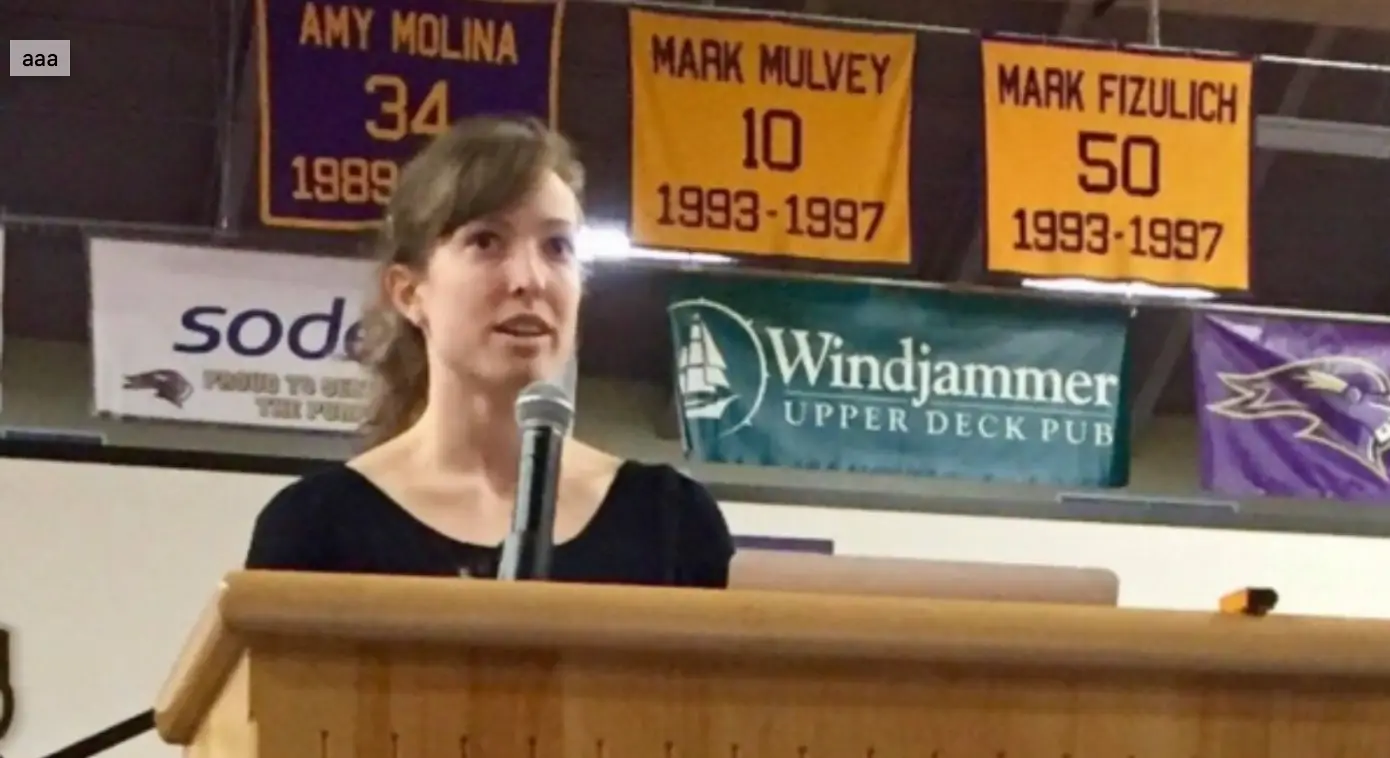
I recently took on my first book tour 11/29 through 12/7. It begins with me landing in Boston, driving to Vermont to speak at Saint Michael’s College, driving back to Boston to speak at BU, driving to Rhode Island to speak at URI (Kingston), and back to Boston for one last talk at BU. The following details my journey on Wednesday 11/29 through Thursday 11/30.

Book Tour Day 1

I woke up at 3:30am, arrived in Boston by 9am, grabbed a rental car and I was off for a 4-hour drive to Colchester, Vermont!

A quick description of the drive: Miles upon miles of tree-lined roads, Moose Crossing signs (we have deer crossing signs in Michigan), rolling roads, vast expanses of mountains. I was in awe, and the moment I arrived at Saint Michael’s College, I couldn’t stop telling everyone I met about my drive (the student-athlete journalist who interviewed me for the school newspaper, the photographer for the school newspaper, and later my host Emily and the SAAC leader and the athletic director).

Read more

Why I Kept Silent About My Eating Disorder, and Why Coaches Shouldn’t
Updated March 25, 2021, to improve readability.

Dear Coach,

You are required to detect the early signs of concussions and when it’s important to sit an athlete out. This is all with good reason: concussions are common in many sports. Unfortunately, so are eating disorders. Yet we still don’t know how to talk about them. Coaches aren’t even trained on how to approach them.

By leaving this topic in the dark, we are failing our athletes. And as a past eating disorder sufferer and runner, my heart breaks to see other athletes struggle as I did. Maybe they don’t think their eating disorder is “bad enough.” Or they don’t think you would understand. I read these emails, and hear these stories over

and over

and over again.

As a fellow cross country coach, I want to thank you for wanting to do something about this. Read more